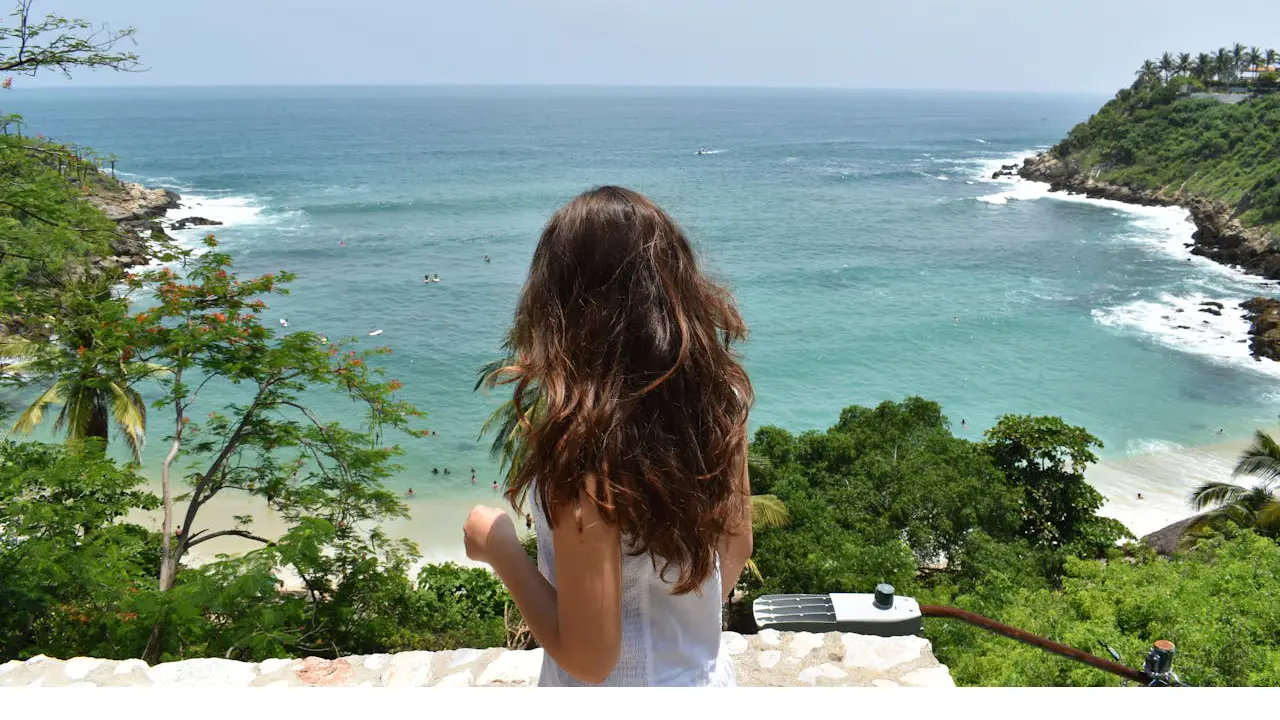

Exploring distant places can be life-changing. Remote destinations offer untouched beauty, quiet moments, and a fresh perspective. For those seeking adventure, these hidden gems provide unforgettable experiences. Here are some remarkable destinations that take you far from the crowds.
1. Tristan da Cunha, South Atlantic Ocean
Located halfway between South Africa and South America, this volcanic island is the world’s most remote inhabited spot. With fewer than 300 residents, it feels like stepping back in time.
What to Expect at Remote Destinations:
Limited accommodation, mostly homestays.
Warm hospitality from locals who live simple yet fulfilling lives.
Breathtaking cliffs, lush greenery, and rich marine life.
Travel Tip: Book well in advance. The only way to reach Tristan da Cunha is via a six-day boat journey from Cape Town.
2. Ittoqqortoormiit, Greenland
This isolated Greenlandic village is home to just 450 residents. Surrounded by frozen fjords and ice-covered seas, it’s a paradise for Arctic explorers.
Things to Do:
Dog sledding tours that reveal breathtaking landscapes.
Wildlife spotting, including polar bears and walruses.
Visiting the local museum to understand Inuit culture.
Travel Tip: Plan your visit between June and September when the ice retreats enough to allow easier access.
3. Pitcairn Island, Pacific Ocean
This tiny island is home to the descendants of the HMS Bounty mutineers. With only about 50 residents, it’s one of the least populated places on Earth.
Key Experiences:
Snorkeling in crystal-clear waters filled with vibrant marine life.
Hiking trails that reveal stunning coastal views.
Visiting Bounty Bay, where the infamous ship was burned.
Travel Tip: Reaching Pitcairn requires a boat journey from Mangareva in French Polynesia.
4. Longyearbyen, Svalbard, Norway
Located just 1,300 kilometers from the North Pole, this Arctic town offers a rare mix of modern life and raw wilderness.
Must-See Attractions:
The Svalbard Global Seed Vault, which stores vital crop seeds.
Guided snowmobile tours that showcase icy landscapes.
Northern Lights displays during the polar night season.
Travel Tip: Pack warm gear, even during summer, as temperatures stay chilly.
5. Oymyakon, Russia
Known as the coldest inhabited place on Earth, Oymyakon tests the endurance of even seasoned travelers.
Experiences to Remember:
Discovering how locals survive extreme cold, often below -50°C.
Sampling traditional Siberian dishes like frozen fish and reindeer meat.
Exploring frozen rivers and unique ice formations.
Travel Tip: Dress in multiple layers and consider hiring a local guide to ensure safety.
6. La Rinconada, Peru
Situated at 5,100 meters above sea level, La Rinconada is the highest inhabited city on Earth. Despite its tough conditions, thousands live here due to nearby gold mines.
What to Expect:
Basic accommodations with minimal facilities.
Stunning views of snow-capped peaks.
Insights into the challenging lives of gold miners.
Travel Tip: Acclimatize to high altitudes before visiting to avoid altitude sickness.
7. Socotra Island, Yemen
Socotra’s unique biodiversity makes it feel like a world of its own. Its dragon’s blood trees and bottle trees create an otherworldly landscape.
Key Highlights:
Exploring white sandy beaches with turquoise waters.
Visiting Detwah Lagoon, a peaceful spot ideal for relaxation.
Hiking through the Haghier Mountains for stunning views.
Travel Tip: Travel restrictions can apply, so check visa requirements before planning your trip.
8. Kerguelen Islands, Southern Indian Ocean
Often called the “Desolation Islands,” this archipelago is home to only a handful of scientists and researchers.
Unmissable Experiences:
Hiking through rugged volcanic landscapes.
Observing seals, penguins, and seabirds in their natural habitat.
Exploring Port-aux-Français, the main research station.
Travel Tip: Access requires special permissions and is mainly possible via French research vessels.
9. Easter Island, Chile
Known for its mysterious Moai statues, Easter Island blends ancient culture with remote charm.
Top Activities:
Exploring Rano Raraku, the volcanic site where Moai statues were carved.
Diving among vibrant coral reefs and underwater caves.
Visiting Orongo, a ceremonial village with fascinating petroglyphs.
Travel Tip: Plan your visit around the annual Tapati Festival for an immersive cultural experience.
10. Faroe Islands, Denmark
Nestled between Iceland and Norway, these islands are known for their dramatic cliffs and charming villages.
What to Explore:
Hike to the famous waterfall in Gasadalur village.
Visit the scenic cliffs at Vestmanna for bird-watching.
Discover the capital, Tórshavn, filled with colorful homes and seafood restaurants.
Travel Tip: Weather can change rapidly, so dress in layers and pack waterproof gear.
Essential Tips for Exploring Remote Destinations
Plan Well in Advance: Many remote places have limited transport options and seasonal restrictions.
Respect Local Cultures: Learning a few phrases in the local language can enhance your experience.
Prepare for Limited Connectivity: Internet access is often unreliable in isolated regions.
Pack Thoughtfully: Essentials like water purification tablets, energy snacks, and warm clothing are crucial.
Why Visit Remote Destinations?
Venturing to lesser-known places offers unmatched peace, quiet, and self-reflection. Whether it’s meeting locals, hiking untouched trails, or discovering rare wildlife, these journeys leave lasting memories.
Final Thoughts
Travel to remote destinations is more than just visiting faraway places. It’s about embracing adventure, pushing your limits, and gaining new perspectives. Have you explored a remote destination? Share your experiences in the comments below — we’d love to hear your stories!