Choosing the right colored hues can completely transform the atmosphere of your home. Whether you’re designing a calm bedroom or a cheerful kitchen, the right shades bring out the best in your space. Colored hues aren’t just about style—they shape how you feel and function in each room.
Why Colored Hues Matter in Home Design
Colors influence our mood and behavior more than we realize. Soft blue hues can make you feel peaceful, while bold reds might energize or even overwhelm. Using the right colored hues helps your space reflect your personality while supporting your lifestyle.
Imagine walking into a living room bathed in warm amber tones. The atmosphere feels inviting even before anyone says hello. That’s the quiet power of well-chosen color.
Colored Hues for Each Room
Different rooms serve different purposes. The colored hues you choose should reflect the mood you want to create.
Living Room: Warm and Welcoming
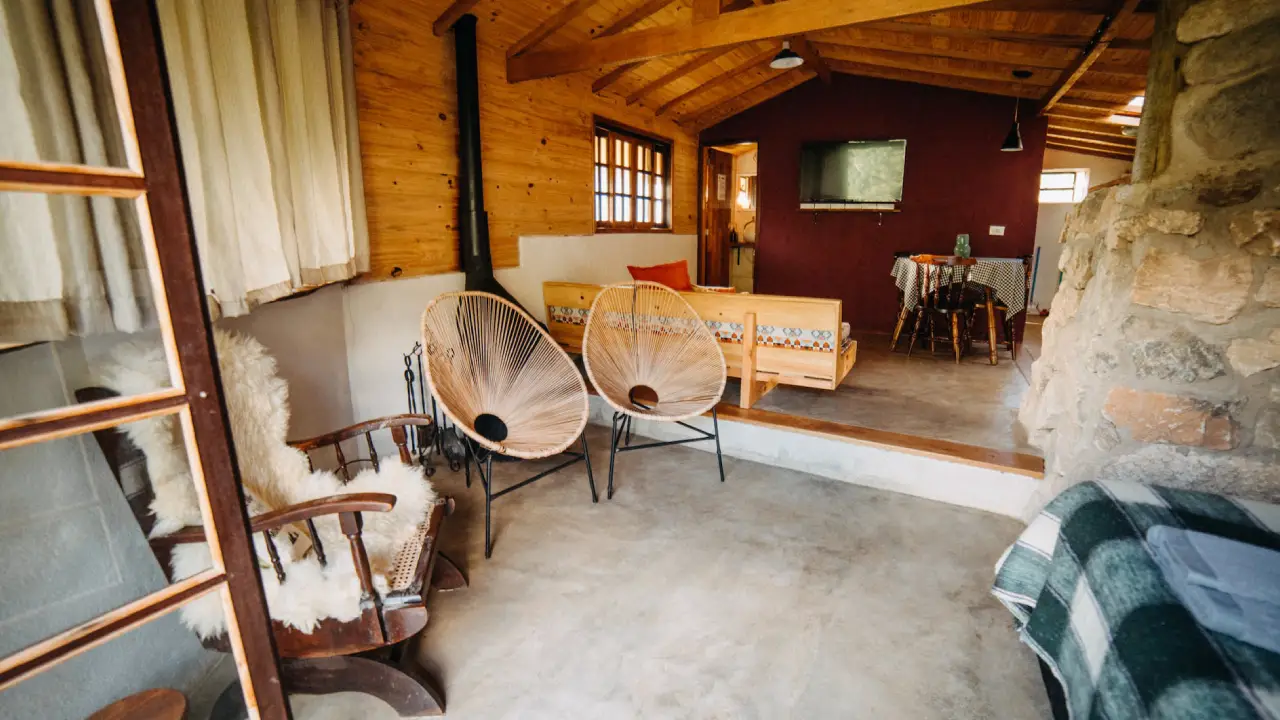
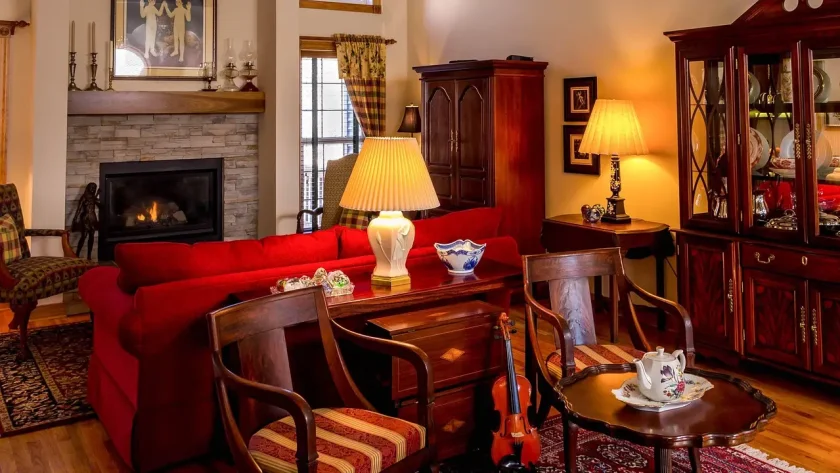
The living room is where stories are shared and laughter echoes. Warm-colored hues like burnt orange, sand beige, and deep rust evoke comfort and friendliness. These shades work beautifully with wooden furniture, textured cushions, and brass accents.
For instance, when Rasha redecorated her living room, she painted one wall a deep clay red. Paired with off-white sofas and mustard cushions, the space became the heart of her home.
Bedroom: Calm and Serene
Your bedroom should help you relax and unwind. Opt for soft, soothing colored hues—think dusty rose, lavender, seafoam green, or cool gray-blue.
A cousin of mine used sage green on her bedroom walls, with sheer white curtains and wooden bedside tables. The result? A peaceful space that helps her sleep better.
Kitchen: Bright and Energetic
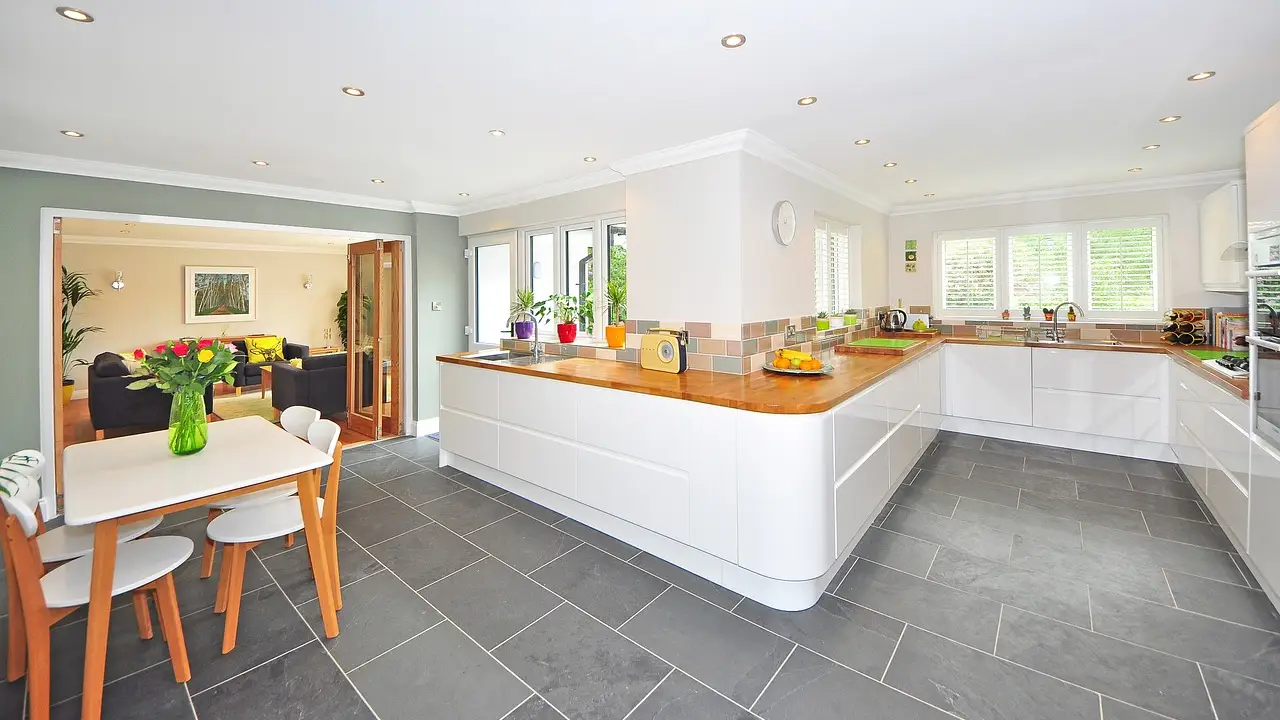
The kitchen is where life buzzes—meals, conversations, even early-morning coffee rituals. Energizing colored hues like lemon yellow, coral, or lime green can lift your mood.
A friend used coral-colored cabinets with cream countertops and pendant lighting. Her kitchen now feels cheerful, lively, and perfect for family meals.
Bathroom: Fresh and Clean
Bathrooms benefit from clean, light-colored hues. Soft grays, pale blues, and crisp whites work wonders. Add metallic finishes like chrome or brushed gold to elevate the elegance.
Tara recently updated her guest bathroom with light aqua walls and white ceramic tiles. She added chrome fixtures, and now the space feels like a boutique spa.
Home Office: Focused and Balanced
You want your workspace to feel grounded but not dull. Muted greens, warm neutrals, or a balanced blue-gray can improve focus. Add a splash of color with artwork or planters.
My colleague Henry painted his office a soft moss green and brought in a natural wood desk. He says it helps him stay centered through back-to-back meetings.
Combining Colored Hues for Harmony
Using multiple hues in one space? Keep it balanced with these smart rules:
60-30-10 Rule: Choose a dominant hue (60%), a secondary (30%), and an accent color (10%).
Complementary Pairings: Opposites attract—blue with orange, green with pink.
Neutral Anchors: Neutrals like white, gray, or beige calm down bold hues.
For example, a modern dining area might feature forest green walls (60%), oak wood furniture (30%), and copper pendant lights (10%). The blend feels intentional, not chaotic.
Add Colored Hues Without Painting
If you’re renting or hesitant about painting walls, use accessories to introduce color.
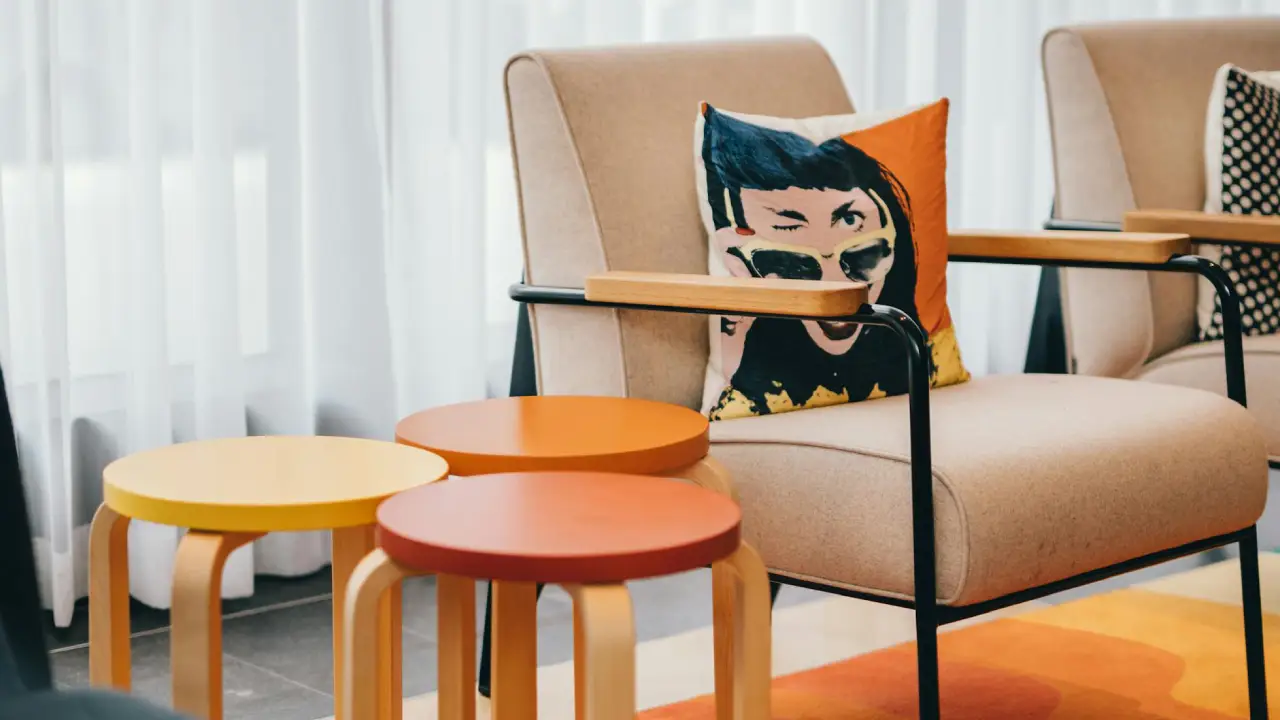
Cushions and Throws: A deep magenta throw or patterned cushions instantly refresh a neutral couch.
Art and Decor: A large print with teal and mustard tones can set the tone for an entire room.
Rugs: A rug with layered colored hues can ground the space while adding warmth.
Curtains: From sheer blush pinks to deep emerald, curtains can act as a bold statement or a soft frame.
One friend recently added navy blue curtains to her cream-colored living room. The contrast added drama without overwhelming the space.
Colored Hues and Mood Psychology
Let’s look at how they affect mood:
Red: Stimulates energy. Best used in small doses.
Yellow: Evokes joy and optimism.
Blue: Calms the mind, great for bedrooms or bathrooms.
Green: Encourages balance and renewal.
Purple: Feels luxurious and artistic.
White: Feels clean but can be stark if overused.
A family friend switched her toddler’s room from bright red to a calming pastel green. She noticed her child was more settled at bedtime—proof that colored hues can directly affect mood.
Use Colored Hues to Change Perception of Space
Want a room to feel bigger, taller, or cozier? Colored hues help here too.
Light Colors: Soft shades like pale peach or icy gray make small rooms feel larger.
Dark Shades: Deep navy or forest green adds coziness to a spacious room.
Vertical Elements: Striped wallpaper or tall art pieces make ceilings appear higher.
Mirrors: Reflect colored hues and light to expand the sense of space.
Megan painted her narrow hallway a barely-there blush pink and added a round mirror. Now the hallway feels open and cheerful.
Colored Hues Through the Seasons
Switch your decor with seasonal color updates:
Spring: Mint, blush, lilac—fresh and floral.
Summer: Bright turquoise, lemon, and coral feel sun-soaked and lively.
Autumn: Earthy hues like caramel, maroon, and mustard warm up the space.
Winter: Deep navy, emerald, or charcoal add richness and comfort.
An easy trick? Keep neutral basics and swap pillow covers, table runners, or flowers with the seasons.
Tips Before You Finalize
Always test a sample on your wall. Observe it during the day and at night.
Remember: Natural light changes how colored hues appear.
Don’t overlook texture. Velvet, wood, and metal surfaces interact differently with color.
Choose what you love. Trends fade, but personal taste lasts.
Let Your Home Speak in Colored Hues
Your home should feel like you. With the right hues, you can make it cozy, energetic, peaceful—or all of these in different corners. Whether you’re going for bold drama or gentle calm, let your colors tell your story.
What colored hues are calling to you today? Try a small change this week. It might just change how you feel in your space.