
You know those days when you wear your favorite shirt and walk a little taller? That’s grooming psychology at work. It’s not just about looking good—it’s about feeling aligned, confident, and mentally present. Grooming psychology explains how your appearance affects your inner world and how your daily self-care rituals shape your mindset.
Whether you’re brushing your hair, wearing cologne, or simply dressing with intention, these acts influence how you think, act, and feel.
Grooming Psychology Is Not Just Vanity
A common misconception is that grooming is shallow. But grooming psychology reveals something deeper. When you care for your appearance, you’re also caring for your mental state. Every brushstroke or clean shirt sends a silent message: I matter. I respect myself.
Think about a stressful week when you skipped your regular routine. Chances are, your mood dipped. On the flip side, a clean shave or neat hairstyle often sparks a fresh sense of motivation. That’s because grooming habits influence self-perception—your external habits mirror your internal state.
How Grooming Influences Your Brain
Grooming psychology is backed by science. Studies have shown that grooming activates the brain’s reward system. Here’s how it helps:
Boosts dopamine: Completing a grooming task gives your brain a feel-good hit.
Improves self-image: Seeing a more polished version of yourself in the mirror reduces negative self-talk.
Creates order: Grooming routines can restore a sense of control during chaotic times.
For instance, when college students dressed up for presentations, researchers noticed better performance and posture. Why? Because they felt capable and composed—exactly what grooming psychology predicts.
How Grooming Changes Your Behavior
When you look good, you often feel more empowered. And that reflects in your behavior:
Speaking more assertively.
Maintaining eye contact.
Saying no when needed.
Seeking opportunities rather than shrinking from them.
Take Olivia, who had been battling depression for years. Once she started styling her hair and wearing clothes that made her feel alive, something shifted. “I wasn’t doing it for others—I was reclaiming myself,” she said. That’s the essence of grooming psychology—transforming the self through simple, intentional acts.
Building a Grooming Routine That Works for You
You don’t need to follow beauty influencers or buy expensive products. The key is consistency and comfort. Here’s how to start:
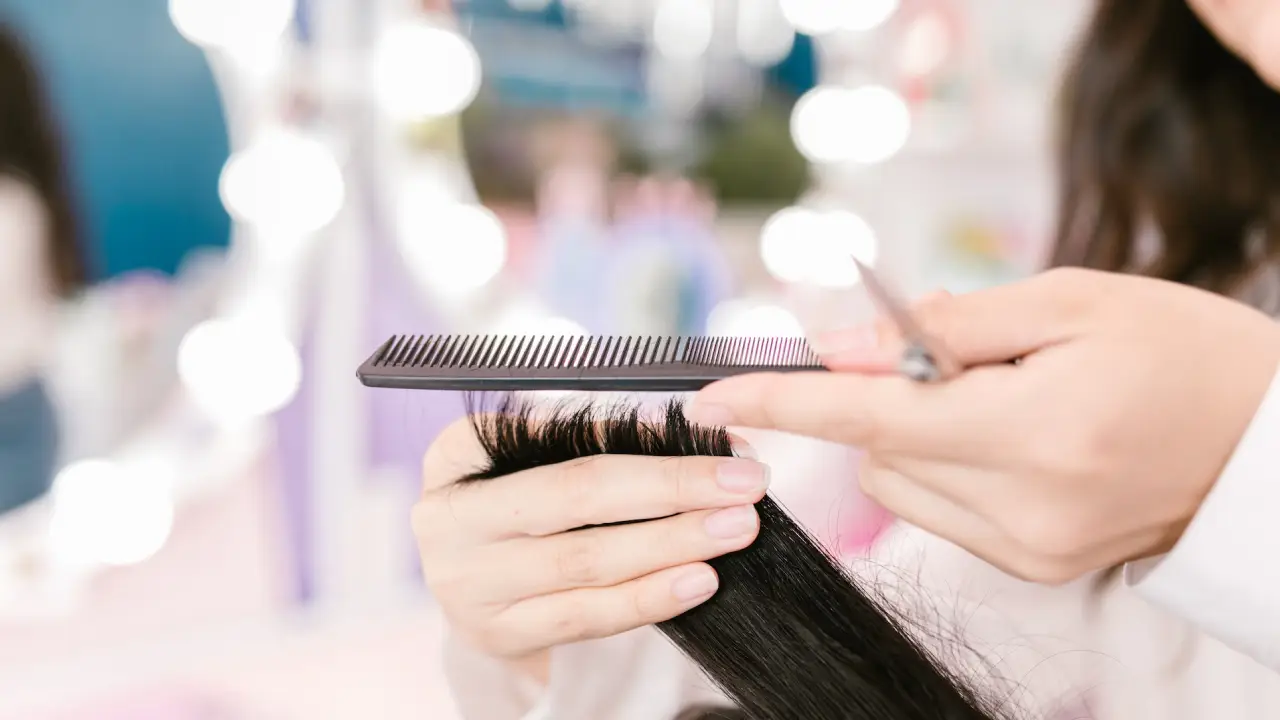
Brush your hair daily
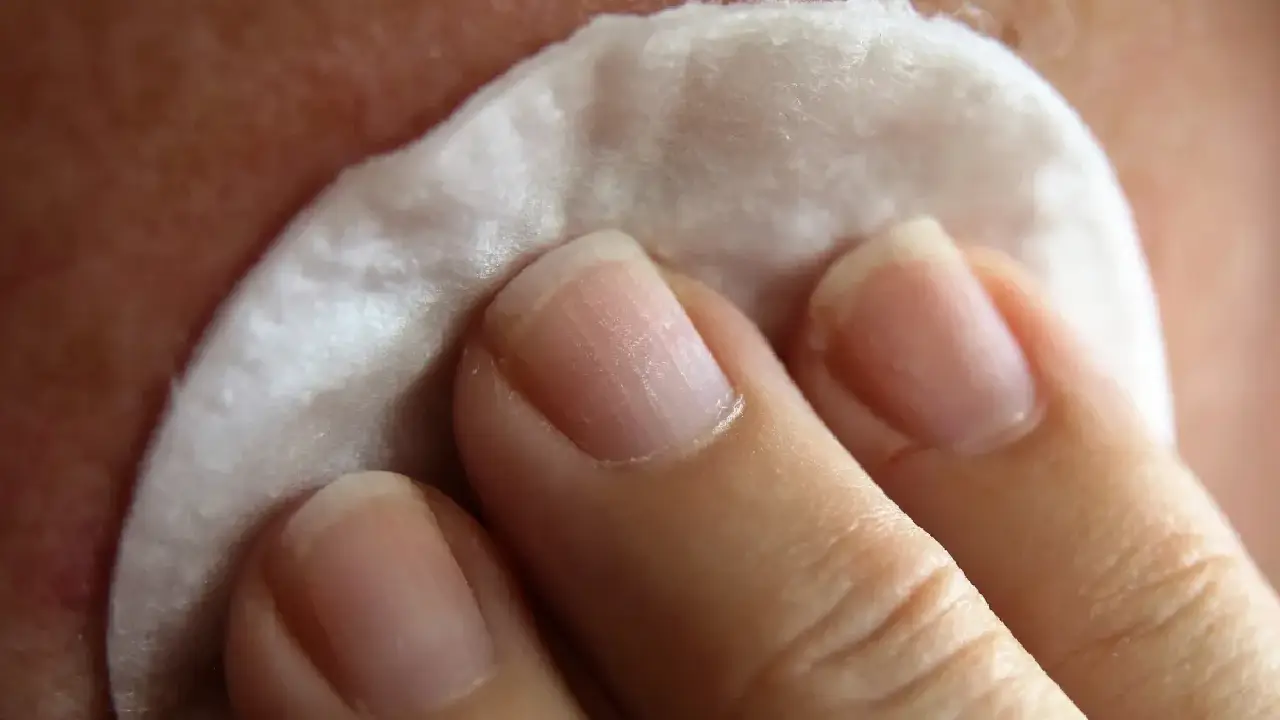
Wash your face twice a day
Moisturize after your shower
Clip nails weekly
Wear clean, comfortable clothing
Then add personalized touches—like styling your hair a certain way, wearing a scent you love, or picking colors that lift your mood. These aren’t indulgences. They’re rituals rooted in grooming psychology that reinforce your identity and confidence.
Grooming Psychology and the Mind-Body Connection
The mind and body are not separate. What you do with one affects the other. Raj, a 32-year-old designer, found himself losing energy and focus while working from home. So he started shaving again every morning. “It made me feel like I was starting my day with purpose,” he said.
This small change grounded him, gave structure to his mornings, and improved his work output. Grooming psychology explains this well—rituals activate the brain’s attention systems and enhance emotional readiness.
Why Scent and Style Matter More Than You Think
Fragrance can stir emotions, trigger memories, and uplift your mood. Just a splash of a scent you love can help you feel more attractive and grounded. Similarly, clothes are a form of self-expression. You don’t need to dress for others—dress for you.
A young mother, Moira, shared how just wearing kajal and earrings helped her reconnect with her pre-motherhood identity. “It reminded me I’m still me,” she said, smiling. Grooming psychology honors these small but powerful acts of self-recognition.
Grooming as a Form of Self-Respect
Every time you take the time to care for your appearance, you’re telling yourself: I’m worth the effort. Others may notice too, but the real reward is internal. You stand taller, speak clearer, and treat yourself with more kindness.
This self-respect also teaches people how to treat you. Your external effort reflects internal strength and boundaries—another powerful idea rooted in grooming psychology.
When Grooming Becomes Excessive
There’s a line between caring for yourself and obsessing over perfection. If grooming begins to feel like pressure or you become fixated on flaws, it’s time to pause. Grooming psychology emphasizes intention, not perfection. You’re not trying to chase an image—you’re trying to feel aligned with your truest self.
Daily Grooming Tips to Elevate Your Mood
Want a simple mood boost? Try these:
Pick one grooming task to do mindfully—like combing your hair slowly while breathing deeply.
Keep your grooming tools organized—clutter causes stress.
Dress for the day—even if you’re at home.
Wear what feels like you—comfort builds confidence.
Smile at yourself in the mirror—it really works.
Final Thoughts
Your grooming habits are about much more than appearances. They’re quiet, powerful rituals that shape your mood, identity, and actions. Grooming psychology teaches us that self-care isn’t vanity—it’s an act of emotional alignment.
Try experimenting with your grooming this week. Tune into how it makes you feel—not just how you look. You may find that these small habits create big shifts in how you show up each day.
What’s Your Take?
Have you noticed how your grooming habits affect your mindset? What’s one ritual that makes you feel your best? Drop a comment and share your story—I’d love to know.