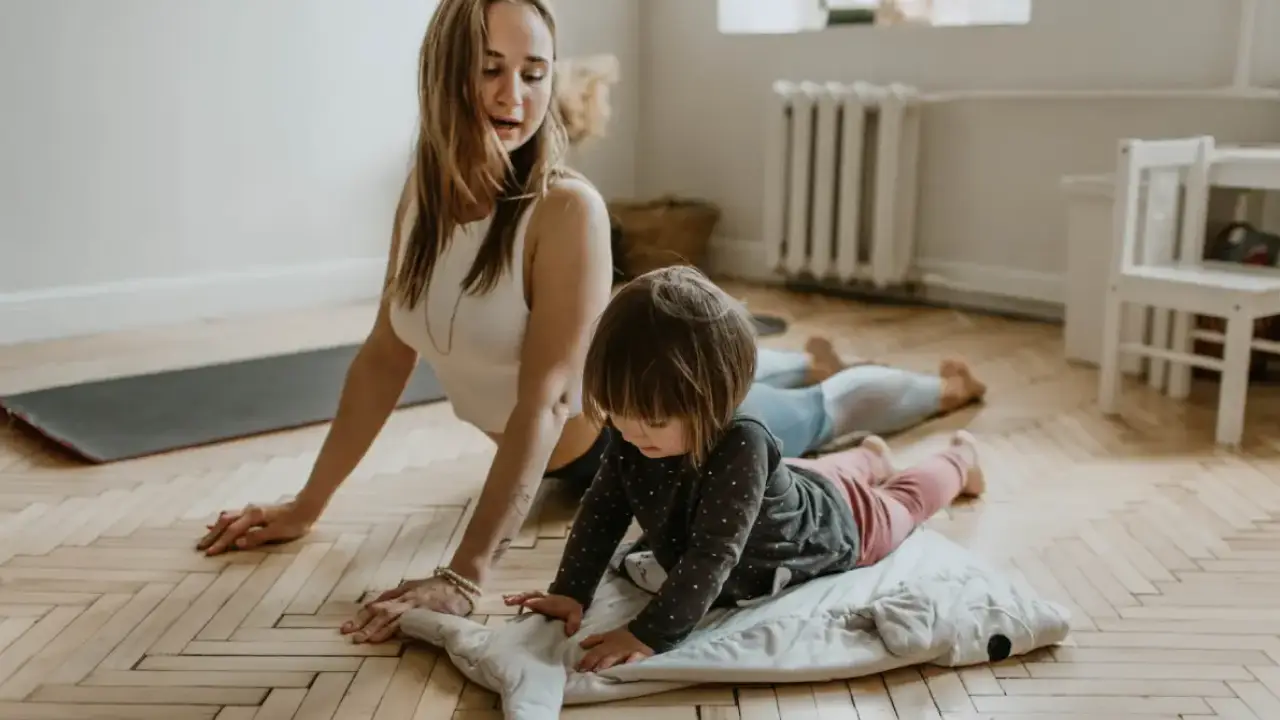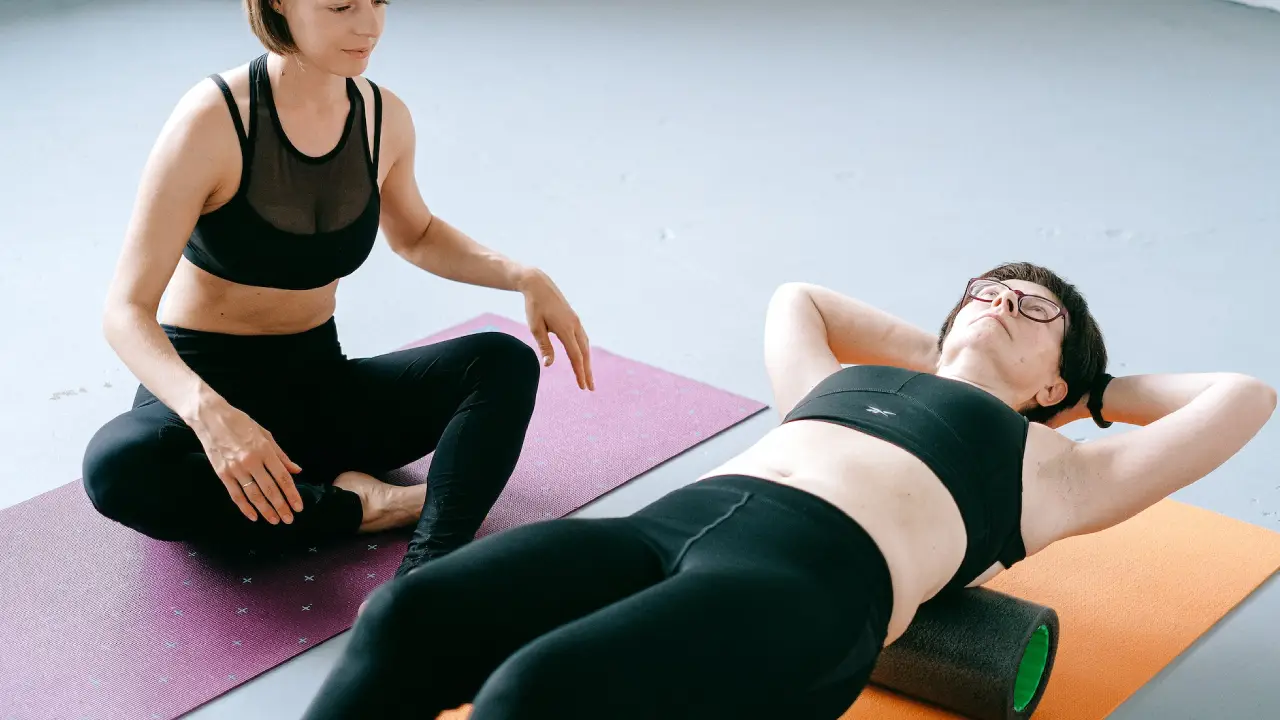

You don’t need fancy equipment or extreme workouts to build a strong core. Pilates does the job—quietly and effectively.
Pilates is more than a workout. It’s a movement practice that strengthens your body from the inside out. At its heart lies one key focus—the core. And as you build a strong core, your posture naturally improves.
If your back aches after sitting, your shoulders slump, or you often feel stiff, Pilates might be just what you need. Let’s explore how Pilates helps build core strength and improve posture, with real-life tips and benefits you can feel.
What Exactly Is Pilates?
Pilates is a low-impact exercise system developed by Joseph Pilates in the early 1900s. It focuses on controlled movements, breathing, and alignment.
It combines stretching, core engagement, and full-body coordination. You can do Pilates on a mat or with equipment like the Reformer.
The movements might look gentle, but they require deep control. That’s what makes Pilates so effective for strengthening and stabilizing the body.
Why Core Strength Matters More Than You Think
Most people think of the core as just the abs. But it’s more than that. Your core includes your abdominals, obliques, back muscles, pelvic floor, and even the diaphragm.
A strong core supports your spine, improves balance, and reduces the risk of injury.
Whether you’re lifting groceries, chasing your kids, or running a marathon—your core is involved.
I used to struggle with lower back pain after long work hours. Once I started doing Pilates twice a week, the pain reduced significantly. That’s the power of a strong core.
How Pilates Targets the Core
Pilates activates your core in every move. Even when you’re working your arms or legs, your center is engaged.
Some signature core moves include:
The Hundred – Builds endurance in the deep abdominal muscles
Plank Variations – Engage the entire core and improve shoulder stability
Leg Circles – Strengthen the lower abs and hip stabilizers
Roll-Ups – Improve spine flexibility and strengthen the core
What sets Pilates apart is the focus on control over speed. You engage muscles deeply without putting strain on your joints.
Posture: The Silent Hero of Health
Good posture does more than make you look confident. It reduces fatigue, prevents joint wear, and supports organ function.
Many of us slouch unconsciously. Hours at a desk or staring at a phone screen can weaken our postural muscles. Over time, this leads to chronic pain and stiffness.
Pilates helps correct this by strengthening the muscles that support your natural alignment.
Movements like Shoulder Bridge, Spine Stretch Forward, and Swan Prep stretch tight areas and activate underused muscles.
How Pilates Improves Your Posture
Here’s how it works its magic on posture:
Builds Awareness – You become more conscious of how you sit, stand, and move
Strengthens the Back – Especially the lower and upper back, essential for upright posture
Opens the Chest – Counteracts the forward hunch from daily screen time
Aligns the Pelvis – Reduces strain on the spine and hips
Improves Breathing – Supports diaphragm movement, which plays a role in posture too
I remember one of my friends, Anita, who had a desk job for 10 years. She joined a mat Pilates class just to stretch. Within a month, she noticed she was sitting taller and feeling more energetic. Her neck pain also eased up.
Mat vs. Reformer: Which One Is Better?
If you’re new to Pilates, mat workouts are a great place to start. You don’t need any equipment—just a mat and a quiet space.
Reformer Pilates adds resistance using a machine. It can feel more dynamic and allows for more precise control and support.
Both are great for core and posture. Choose the one that suits your lifestyle. Many people alternate between both.
Can Beginners Do Pilates?
Absolutely. It is beginner-friendly. Most moves have modifications to suit different fitness levels.
If you’re new, start with a beginner mat class or a YouTube video from a certified instructor. Focus on form and breathing over speed.
Within a few weeks, you’ll notice better balance, strength, and posture.
Realistic Results: What to Expect
Pilates is not about overnight transformation. It’s about gradual, sustainable change.
With consistent practice, here’s what you might notice:
Flatter abs and stronger back
Reduced back or neck pain
Better balance and coordination
Increased body awareness
Improved confidence due to upright posture
You’ll move better. Sit better. Breathe better.
It’s not just a workout—it’s a way of moving through life with ease and control.
Simple Ways to Add Pilates to Your Routine
Start with 10-15 minutes a day using online videos
Join a local Pilates class for accountability and form correction
Incorporate posture checks during your day—pull shoulders back, engage your core
Stretch before bed using gentle Pilates spine exercises
Make it part of your lifestyle, not just another fitness trend.
Final Thoughts
Pilates helps you build a strong foundation. It strengthens the deep muscles that keep you stable, aligned, and pain-free. You don’t need hours in the gym. Just a mat, a bit of space, and some focus. Your future self will thank you for starting today.
Have you tried Pilates before? Did it help your posture or core strength? Share your story in the comments below. Let’s learn from each other!